
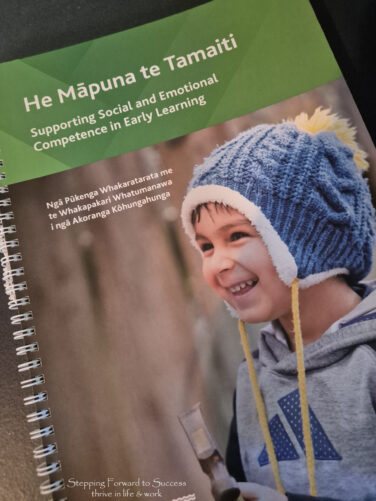
We have previously discussed how fostering the social and emotional development of tamariki in ECE is the cornerstone of creating a thriving learning environment.
You can read our first article on social and emotional development here.
Because this is an intense period of learning about what emotions are and how to navigate them, there is plenty we can do to help them deepen their emotional competency.
He Māpuna te Tamaiti and Te Whāriki both highlight the importance of fostering emotional literacy, self-regulation, and relationship-building to create a supportive learning environment.
There are some practical things that we, as teachers, can do to nurture these essential skills in tamariki. Let’s explore what they are now.
The Foundations of Emotional Competency
We already know that resilience is a big part of how tamariki become emotionally competent. But what we are trying to achieve extends far beyond resilience. Emotional competency in our tamariki involves them understanding, expressing and managing their emotions while at the same time fostering empathy and positive relationships.
That sentence alone illustrates how complex emotions can be for our young ones to navigate! Luckily, as teachers, we have some great resources to help us in this undertaking.
The principles of Te Whāriki emphasise that tamariki develop a strong sense of wellbeing and belonging when they feel emotionally secure. It also notes that emotional literacy directly impacts cognitive and social development, affecting how tamariki interact, learn, and form relationships.
He Māpuna te Tamaiti provides a valuable framework for supporting emotional development by encouraging teachers to focus on key areas such as:
- Modelling emotional regulation – When we demonstrate healthy emotional responses, we can teach tamariki how to manage their own feelings. We can do this by verbalising our own emotions and coping strategies, for example, saying, “I am feeling a little frustrated right now, so I’m going to take a deep breath before we continue our activity.”
- Providing a safe emotional environment – By establishing trust and positive interactions, we can ensure tamariki feel secure in expressing their emotions. Creating an atmosphere where tamariki know their feelings are acknowledged and respected builds their confidence in emotional expression.
- Encouraging self-awareness and empathy – We want the tamariki to get to a place where they recognise and respond to emotions in themselves and others. Te Whāriki emphasises the role we can play in creating opportunities for tamariki to engage in shared experiences that foster emotional understanding and collaboration.
- Intentional emotional learning – When we use intentional teaching strategies, we can guide tamariki through recognising and managing their emotions. This can involve conversations about emotions, using emotion charts, or facilitating peer discussions on problem-solving social conflicts.
By consistently applying these principles, we can create an environment where tamariki feel supported in their emotional growth, laying the foundation for lifelong emotional wellbeing.
Practical Examples for Encouraging Emotional Competency
As ECE teachers, we play a crucial role in guiding tamariki through their emotional development. Here are some practical strategies for embedding the ideas of emotional competency in your teaching practice:
1: Emotional Conversations
Emotions are something that should be acknowledged and discussed so that the tamariki gain a deeper understanding of how they are feeling and what might be causing some of those feelings.
Conversations are critical in these moments:
- When tamariki are experiencing strong emotions, validate their feelings with phrases like, “I see that you are feeling frustrated because you wanted the red truck. That must be hard.”
- Help them find a solution: “What could we do to help you feel better? Would you like to wait for a turn or find another toy to play with together?”
- Encourage self-expression by using open-ended questions and active listening.
2: Storytelling and Role Playing
The tamariki do not necessarily need to be experiencing the emotions themselves to learn. Storytelling and pretend play can also be great learning tools for them.
Try some of these things:
- Read books that explore different emotions and discuss how the characters feel.
- Use dolls, toys or role-play scenarios where tamariki can act out emotions and problem-solve together.
- Ask tamariki reflective questions like, “How do you think the character feels? What else could you do?”
3: Calm Corner
Sometimes we all need a calm space to gather our thoughts and reset our emotions. The tamariki are no different! A calm corner can be a really good way to encourage emotional competence.
- Discuss what the Calm Corner is for and its importance so the tamariki know it is a place they can utilise when they need to
- Set up a quiet, cozy space with soft cushions, visual emotion charts and sensory items where tamariki can go to self-regulate.
- You could even teach the tamariki breathing techniques or mindfulness activities to help them manage strong emotions.
4: Creative Emotional Expression
The tamariki do not just need to talk about their feelings, there are plenty of other ways that they can express themselves. Art and craft can be a great medium for them to convey their emotions.
You could try:
- Providing materials for tamariki to draw or paint their feelings. Ask guiding questions like, “What colours match how you are feeling today?”
- Use clay or playdough to encourage hands-on emotional expression.
5: Use Visual Cues
Sometimes it can be hard for tamariki to describe their emotions in words. So, having visual ways to display themselves can make emotional regulation more accessible.
You can try these visual cues:
- Display emotion faces with words to help tamariki identify and label their feelings.
- Incorporate a daily “How Are You Feeling?” check-in board where tamariki place their name or a marker on the emotion that matches their feelings.
By incorporating these approaches into your daily interactions, you can help tamariki build self-awareness, confidence, and empathy, setting a strong foundation for their emotional wellbeing.
How Mentorship Can Help
As a provisional teacher, learning to navigate emotional competency in tamariki can be challenging. Having a mentor provides you with an extra layer of support in key areas like:
- Reflecting on daily interactions with tamariki and improving emotional coaching techniques.
- Developing strategies for supporting tamariki with diverse emotional needs.
- Creating effective communication methods to involve whānau in their tamariki’s emotional development.
- Using He Māpuna te Tamaiti and Te Whāriki as frameworks for enhancing emotional literacy in ECE.
Having a Mentor that is external to your Centre can help to foster confidence and professional growth, ensuring you are well equipped to support the tamariki in developing emotional competence.
The Path to Emotional Wellbeing
Emotional competency in ECE is about more than behaviour management—it’s about shaping confident, self-aware individuals. Through intentional teaching strategies, reflective practice, and mentorship, you can ensure that tamariki develop the emotional tools they need for lifelong success.
If you’re a provisional ECE teacher looking for support in embedding these principles into your practice, I’d love to help. Let’s connect and explore how mentorship can support you in this important journey.
The great thing about mentorship is that you can layer the support you receive by having both a Centre assigned mentor and an external mentor. Learn more about the Kete Ako programme here: Kete Ako programme.
I also have resources that can be added to your toolkit. Click here to read more about the Roadmap. Or click here to purchase the Roadmap to Certification e-book for Provisional Certified Teachers. Alternatively, if you are wanting to learn more about my packages, reach out today.
Useful links:
My Website