
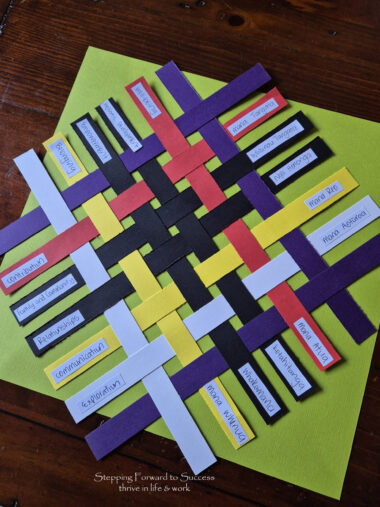
As you well know, Te Whāriki provides a holistic framework that supports the learning and development of tamariki from their first learning moments to when they begin school.
Central to the curriculum are four guiding principles and five strands.
These are cleverly woven together to create a rich tapestry of learning experiences.
Te Whāriki’s principles should drive your teaching practices and interactions with the tamariki. So, let’s explore how you can practically embody these principles in your day-to-day teaching.
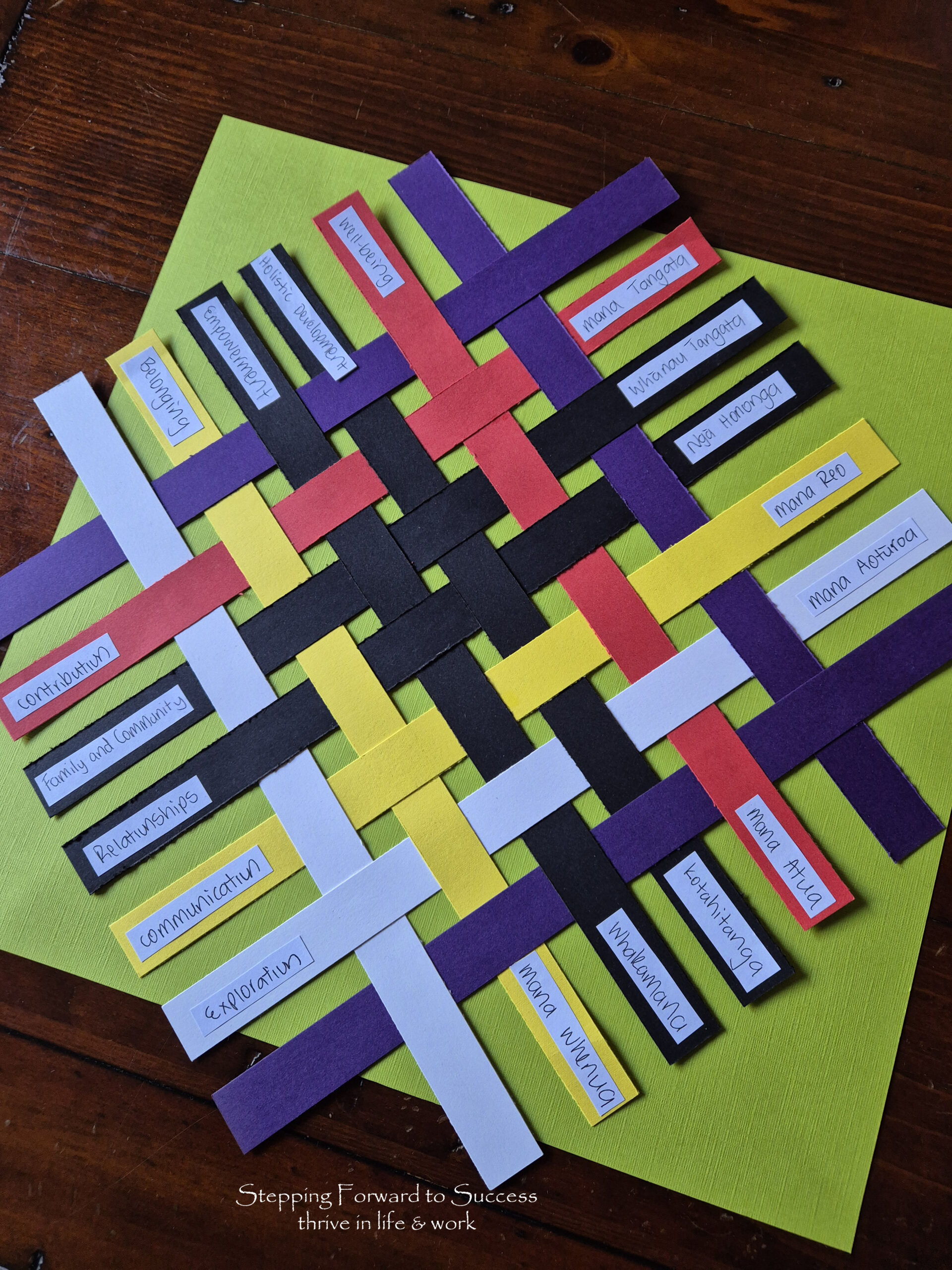
The Four Guiding Principles of Te Whāriki
1: Whakamana | Empowerment
Every child has mana, which is vital to recognise and develop. This is exactly what the Empowerment Principle aims to do by providing tamariki with the opportunities to make choices, express themselves and take an active part in their own learning.
Tamariki are competent and capable learners, we can support them to take charge by:
- Offering Real Choices: When you give tamariki choices, it helps to empower them. They can make decisions about simple things like the activities they might want to undertake, the materials they might want to use, or the roles they want to play.
Example: Ask them if they would rather paint or play with the blocks today.
- Support Independence: Some tamariki are good at risk-taking, while others are more reserved. You can support their independence by encouraging them to try new things at their own pace.
Example: It could be empowering them to climb on a different area of the playground, or to pour their own drink.
- Acknowledge Their Efforts: It isn’t always about the outcomes; the effort the tamariki use to get to the outcome is worth noticing too! Acknowledging those efforts can be powerful, especially when done with encouraging language.
Example: “I noticed how you kept trying different ways to stack the blocks until it stayed standing. That’s great problem solving.”
- Learning Environments: It is important to set up an environment that invites learning so that the tamariki are empowered to create learning moments throughout their day.
Example: Arrange your activity spaces so that tamariki can access the materials independently and engage in whatever exploration they are inspired to do.
2: Kotahitanga | Holistic Development
Tamariki’s development is entwined across a number of different domains – physical, emotional, cognitive, social and spiritual development are all an integral part of their learning. As a teacher, you can facilitate activities that integrate multiple areas of learning.
Development should be a unified thing with all areas being nurtured together. Do this by:
- Blended Learning Areas: You don’t need to focus on one area of learning at a time. Rather, you can integrate multiple development opportunities together.
Example: Use storytelling that includes singing, movement and discussion so that tamariki have the opportunity to learn through different modes.
- Emotional Wellbeing: Feeling safe, happy and included is vital to a positive learning environment. So, it’s important that you stay dialed into the emotional wellbeing of the tamariki and support them with strategies to develop awareness of their emotions. Emotional safety is vital for good learning.
Example: Recognise if a child is upset and take the time to ensure they are comforted before expecting them to participate in any activities.
- Holistic Approach: Every tamaiti will develop differently and have different skills, So as teachers, we need to observe and reflect holistically, rather than focusing on traditional learning skills.
Example: Don’t just focus on academic skills of counting or letter recognition. Encourage the development of key skills such as empathy, resilience, and curiosity.
- Support Transitions: There are plenty of transitions the tamariki will need to navigate throughout the day. Snack time to play, mat time to other activities, and they all create the potential for disruption and emotional moments. It’s great to facilitate smooth transitions so that tamariki feel secure and prepared for the next part of their day.
Example: Use consistent routines or cues that help the tamariki recognise a change is coming. A particular song or cue before each change can help them know what is coming up and prepare themselves accordingly.
3: Whānau Tangata | Family and Community
Family and community are a huge part of a tamaiti’s life. So, recognising them in their learning journey is essential. You can foster this by building strong relationships with whānau in your ECE environment.
The learning and development of tamariki is deeply influenced by the relationships they have with their family and community. You can actively nurture these connections by:
- Whānau Involvement: Teachers are not the only source of learning for a child. Whānau also play a huge part, so invite them into the process!
Example: Encourage parents and caregivers to share stories, songs, language, or food from their cultures. You could even have a whānau week where Whānau are invited to participate.
- Home Values: At this young age, tamariki learn as much at home as they do in educational settings, so why not invite home values into your Centre? Respecting and reflecting familiar customs in your Centre brings familiar customs into their learning.
Example: Displaying photos from home or greeting tamariki in their home language can make it a smooth transition from learning at home to learning in the Centre environment.
- Communication: Open communication is another vital aspect of a positive learning environment. By communicating openly and regularly with tamariki and whānau, you create a seamless connection with home and foster an inclusive learning environment.
Example: Use learning stories, daily chats, or communication apps to share updates with whānau and invite feedback.
- Local Community: There is a whole world outside your ECE Centre and the tamariki want to be part of it. Involve your local community in their learning for a rich development opportunity that creates a sense of belonging in a wider space.
Example: Organise excursions to local libraries, parks, or marae. You can also bring the community to the tamariki by inviting community members to come and share their skills with the Centre.
4: Ngā Hononga | Relationships
Relationships should be at the heart of learning. Cultivating positive, responsive and reciprocal relationships will create a nurturing environment where tamariki feel valued and understood.
Tamariki learn through responsive interactions with people, places and things. Encourage this by:
- One-on-one Connection: Connecting personally is a powerful way to help the tamariki feel valued and heard. Make time for meaningful conversations each day so that every tamariki feels included.
Example: Talk with the tamariki, take the time to get down to their level, make eye contact and listen with your full attention.
- Peer-to-peer Connection: Just as important as the connection to their teacher is the connections the tamariki develop with their peers. Encouraging these relationships will help the tamariki work on vital social skills.
Example: Support tamariki to work together, problem-solve, and help one another during play or group activities.
- Emotional Literacy: The tamariki are learning all about their emotions and may not always be in control of them. If we model empathy and emotional regulation, it helps them develop their emotional literacy.
Example: Talk through your own feelings and responses throughout the day. For example, you could say, “I’m feeling a little frustrated right now, so I’m going to take a deep breath.”
- Culture of Safety: When the tamariki know what to expect with their relationships, they feel safe and secure. This makes them more open to learning. When you are consistent, relatable and respectful, it allows them to build trust and that safe feeling.
Example: Try to remain consistent in your attitude and approach so that the tamariki know what to expect from you.
Bringing The Principles To Life
When you embed these four guiding principles into your everyday teaching, you help to create a learning environment where tamariki are not only supported in their development but truly seen, heard, and valued.
These principles need to be woven through everything from your environment and routines to your planning, reflections, and conversations. When you embrace them fully, they shape a culture of care, curiosity, and connection for everyone involved.
Integrating the guiding principles of Te Whāriki into your daily practice doesn’t happen overnight. It is a continuous journey of reflection, growth, and support. That’s where an ECE mentor can make a real difference.
Working with a mentor gives you the opportunity to unpack your practice, gain new perspectives, and explore how each principle can be more intentionally woven into your relationships, routines, planning and environment.
A mentor helps you stretch your thinking, celebrate your progress, and stay aligned with what matters most, supporting tamariki to thrive in a rich, responsive, and empowering learning setting. Whether you’re a provisional teacher or a seasoned kaiako, mentoring can help bring these principles off the page and into meaningful action. Let’s chat about whether my mentorship might be a good fit for you in your teaching journey.
The great thing about mentorship is that you can layer the support you receive by having both a Centre assigned mentor and an external mentor. Learn more about the Kete Ako programme here: Kete Ako programme.
I also have resources that can be added to your toolkit. Click here to read more about the Roadmap. Or click here to purchase the Roadmap to Certification e-book for Provisional Certified Teachers. Alternatively, if you are wanting to learn more about my packages, reach out today.
Useful links:
My Website