
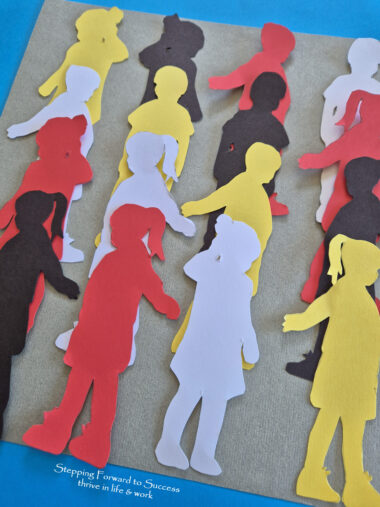
“Children experience an environment where there are equitable opportunities for learning, irrespective of gender, ability, age, ethnicity, or background.”
— Te Whāriki, 2017
Every child deserves to be seen, heard and valued. This is especially important in the ECE space – an environment that is such a big part of tamariki’s development.
Te Whāriki recognises this and has dedicated a whole strand to Contribution | Mana Tangata.
It’s all about ensuring tamariki have genuine opportunities to participate in and contribute to their learning communities.
When tamariki know their voice matters, and when they are given fair opportunities to learn and grow, they begin to develop a strong and positive learner identity.
Inclusion is part of that, but it is also about equity, recognising each tamaiti’s strengths and providing the right support for them to thrive.
Let’s unpack what Mana Tangata looks like in a practical sense and explore some strategies to encourage equity and contribution in your learning spaces.
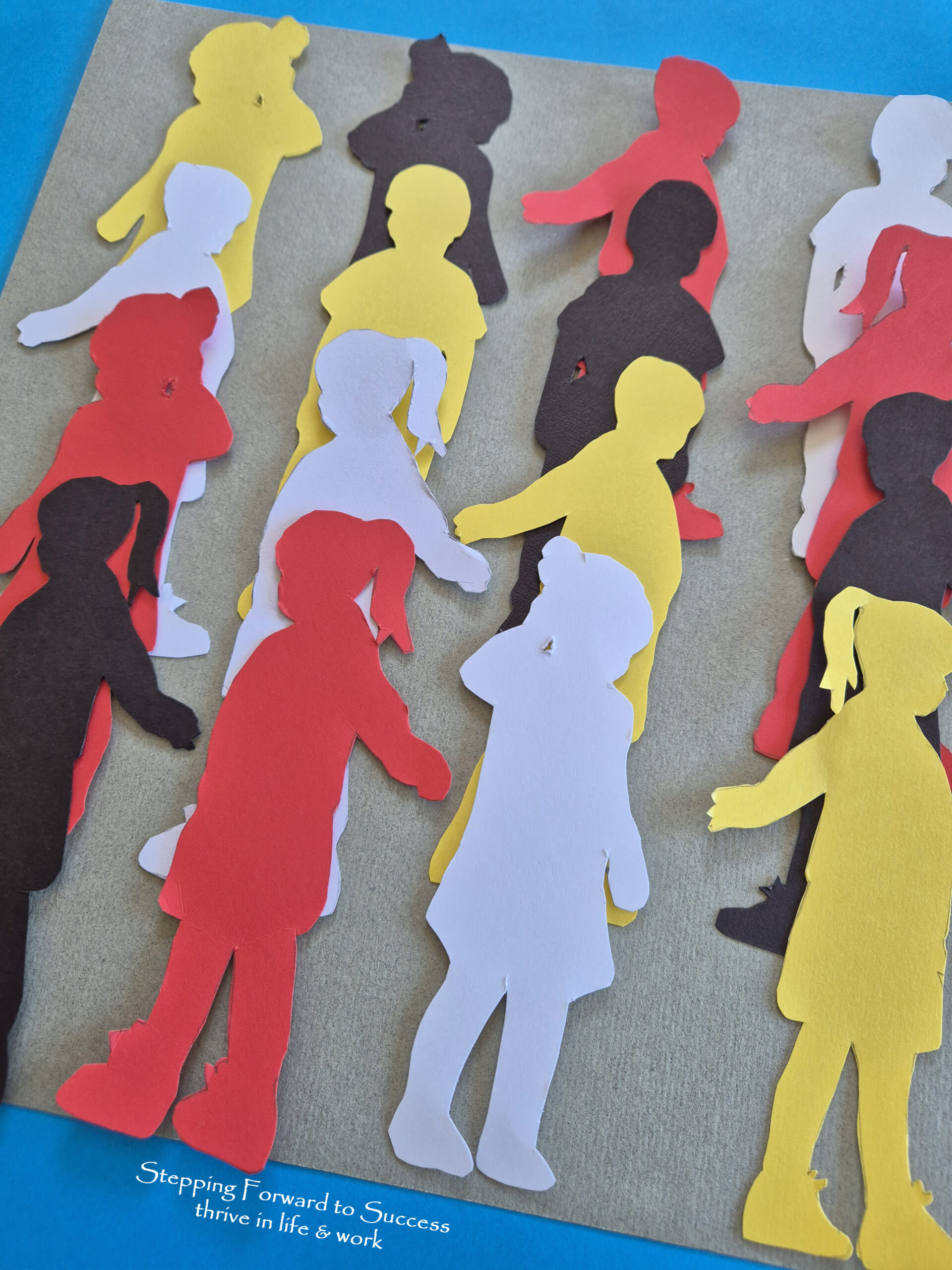
What Contribution And Equity Look Like In ECE
What is contribution all about in ECE? Well, contribution is all about ensuring every tamaiti feels empowered to take part in the activities of the day. This includes everything from learning to play, and they should be able to participate comfortably, regardless of their background, ability or circumstances.
It is about creating environments where diversity isn’t just accepted, but it is celebrated! You can see Mana Tangata in action when:
- Tamariki have the opportunity to collaborate, share ideas, and influence group activities.
- Teachers create spaces where differences are valued as strengths, and uniqueness is celebrated.
- Learning experiences are adapted so all tamariki can take part meaningfully, regardless of their developmental stage or background.
- Whānau are welcomed as partners, contributing their knowledge and skills to enrich the learning environment.
When equity and contribution are prioritised, tamariki gain confidence, resilience, and an understanding that they all have something valuable to bring to the world.
Creating Equity in ECE
Equity in ECE is about more than just treating all tamariki the same. It is about ensuring every tamaiti has access to the support, resources and opportunities needed to succeed and thrive.
Here are some ways to encourage equity at your Centre:
- Range of Resources: Tamariki all engage in different ways, so having multiple resources on hand can make learning accessible for all. Mix things up so that you have visual, oral, tactile and movement-based activities available.
- Tailor Your Teaching: Not all tamariki will fit into one style of learning. So, work to adjust your teaching approach to meet the needs of each tamaiti.
- Cultural Awareness: The tamariki will likely have different cultures and backgrounds. Valuing and including their cultural practices and languages creates equity and connection.
- Fair Opportunities: Every tamaiti is different, so ensure your learning opportunities are accessible to all. Ensure no one is left out because of ability, language or background.
When equity is embraced throughout your Centre, then every tamaiti has the chance to flourish.
How To Weave Mana Tangata Into Your Teaching Practice
Incorporating Mana Tangata into your everyday practice doesn’t have to be complicated. You can organically work it in by using some of these practical strategies:
- Invite Tamariki Input: Give the tamariki choices in their learning. They could help set up activities, choose resources, or suggest group projects.
- Recognise and Build on Strengths: Everybody has strengths. Notice what each tamaiti does well and create opportunities for them to share these skills with others to build confidence.
- Encourage Collaboration: Teamwork is a big part of Mana Tangata. A simple way to encourage it is to set up group tasks that require cooperation, problem-solving, and shared decision-making.
- Create Safe Spaces for Expression: Having the opportunity to express yourself is powerful. Make sure tamariki know their ideas will be listened to, respected, and valued.
Social and Individual Learning Strategies
Individual learning is important, but group activities are equally important to foster true Contribution. By balancing group and individual activities, tamariki can contribute in ways that feel natural to them.
Try these activities:
- Social Strategies: Group games, collaborative art projects, shared storytelling, and collective problem-solving build teamwork and a sense of belonging.
- Individual Strategies: Offering time and space for one-on-one conversations, self-directed projects, or reflective activities allows tamariki to shine in their own way.
Both types of learning strengthen confidence and reinforce the idea that every contribution is valuable.
Developing A Positive Learner Identity
A big part of Mana Tangata is helping tamariki develop a positive learner identity. This is when tamariki see themselves as capable, resourceful, and active participants in their learning journey.
In order to do that, they need to develop responsive and reciprocal relationships with the kaiako at your centre and the other tamariki. As a kaiako, you play an important role in helping the tamariki initiate and maintain these relationships with their peers.
Kaiako can foster this by:
- Acknowledging effort and persistence, not just outcomes
- Celebrating individual progress and achievements
- Encouraging tamariki to share their knowledge and ideas or teach others
- Remind them that everyone has their own opinion, so it is important to be able to take on another’s point of view
- Documenting and displaying children’s learning journeys to highlight their growth and contribution
When tamariki believe in themselves as learners, they carry this confidence far beyond the ECE setting. So, encourage them to ask for help, but also to see themselves as a help to others. Kaiako can have a strong influence on empowering tamariki to participate positively in their own learning and the impact on the wider community can be huge!
Mentorship And Mana Tangata
Reflection is a key part of your teaching. It is especially vital to help balance the needs of a diverse group of tamariki. A mentor can support you to weave Mana Tangata into your practice by:
- Helping you reflect on how your practices provide equal opportunities to all tamariki.
- Assisting you in devising strategies for scaffolding learning so each tamaiti can contribute at their own level and pace.
- Supporting you to recognise each tamaiti’s learner identity and contribution.
- Guiding you to create culturally responsive practices that strengthen equity and inclusiveness.
- Offering fresh ideas for balancing individual and group learning strategies.
Having a mentor alongside you means you always have support on hand.
Contribution Values Every Voice
Mana Tangata reminds us that every tamariki has something to offer and that every tamariki deserves the chance to succeed. Fostering Contribution and Equity does not just build confident learners, it nurtures an understanding of diversity, collaboration and respect.
As a Kaiako, you can help every tamaiti to see that their voice matters and their presence is valued. This empowers them to be capable learners with a strong sense of belonging.
As an experienced ECE teacher and mentor, I would love to support you as you implement the strands of Te Whāriki in your teaching. Let’s chat to see if we might be a good fit to work together.
The great thing about mentorship is that you can layer the support you receive by having both a centre assigned mentor and an external mentor. Learn more about the Kete Ako programme here: Kete Ako programme.
I also have resources that can be added to your toolkit. Click here to read more about the Roadmap. Or click here to purchase the Roadmap to Certification e-book for Provisional Certified Teachers. Alternatively, if you are wanting to learn more about my packages, reach out today.
Useful links:
My Website