Author name: Leanne

I am an early childhood teacher with over twenty year’s experience, and understand the complexity of the early childhood profession, and the impact it can have on individuals. Through the experience of supporting individuals to attain certification in the early childhood profession, I became aware the path to empowerment was already within them. My own journey of transformation began as I looked at ways to assist their self discovery and empowerment. The skills I have acquired can be applied to all individuals and teams who are seeking direction, change, and life balance. My journey has progressed to where I am currently equipped with the skills to coach individuals seeking to clarify their own life journey and restore balance into their lives.

The Provisional Teaching Journey – Transitioning From Study To Practice

The move from study into a full-time teaching role is an exciting transition for any provisional teacher. But it can feel a little overwhelming also. When studying, you are working within a structure of assignments, clear deadlines, and academic expectations. But once you graduate, you are completely immersed in a complex and fast-moving world of […]

The Provisional Teaching Journey – Transitioning From Study To Practice Read More »

Exploring Mana Aotūroa – The Power of Exploration in ECE

“Children experience an environment where they learn through active exploration of the environment.” — Te Whāriki, 2017 From the moment tamariki begin to explore the world, they are already learning. The exciting thing about this is that every question and discovery builds their knowledge, confidence, and problem-solving skills, while building a strong learner identity. Exploration

Exploring Mana Aotūroa – The Power of Exploration in ECE Read More »

How To Use Reciprocal Communication To Achieve Better Learning Outcomes

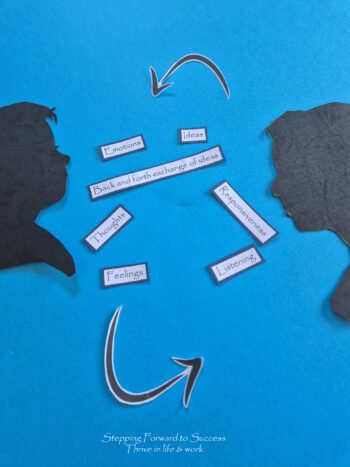
Last month, we explored the concept of how important reciprocal communication is in early learning. It forms the foundation for strong relationships, gives the tamariki a sense of belonging, and plays a crucial role in their cognitive, social and emotional development. By fostering meaningful exchanges, we can help the tamariki develop critical thinking, creativity and

How To Use Reciprocal Communication To Achieve Better Learning Outcomes Read More »

Exploring Mana Tangata – Fostering Contribution And Equity In ECE

“Children experience an environment where there are equitable opportunities for learning, irrespective of gender, ability, age, ethnicity, or background.” — Te Whāriki, 2017 Every child deserves to be seen, heard and valued. This is especially important in the ECE space – an environment that is such a big part of tamariki’s development. Te Whāriki recognises

Exploring Mana Tangata – Fostering Contribution And Equity In ECE Read More »

Exploring Mana Whenua – Creating A Strong Sense Of Belonging In ECE

“Children and their families feel a sense of belonging when they are welcomed and able to participate fully in the services of the early childhood setting.” — Te Whāriki, 2017 In Aotearoa’s ECE Centres, belonging isn’t just a warm and fuzzy ideal. It’s the foundation of healthy development. Without a definite sense of belonging, tamariki

Exploring Mana Whenua – Creating A Strong Sense Of Belonging In ECE Read More »

Te Whāriki Part 1: Exploring Mana Atua | Nurturing Wellbeing in ECE

“When children’s wellbeing is protected and promoted, they feel secure and confident to explore, connect, and grow.” In early childhood education, wellbeing is the foundation of everything. Without it, tamariki cannot learn, engage or thrive. That’s why Te Whāriki prioritises Mana Atua | Wellbeing as the very first strand. It recognises that the emotional and

Te Whāriki Part 1: Exploring Mana Atua | Nurturing Wellbeing in ECE Read More »

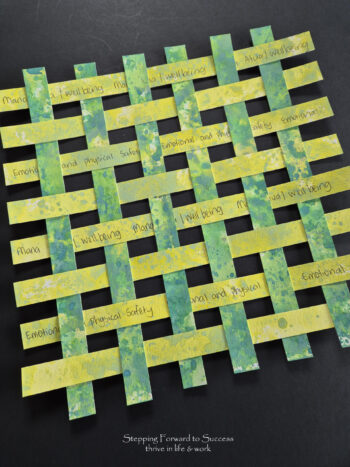
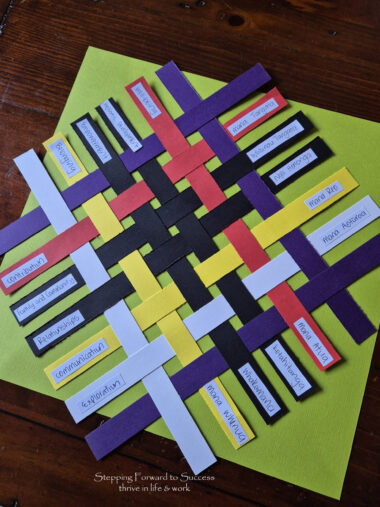
Weaving The Principles of Te Whāriki Into Everyday Practice

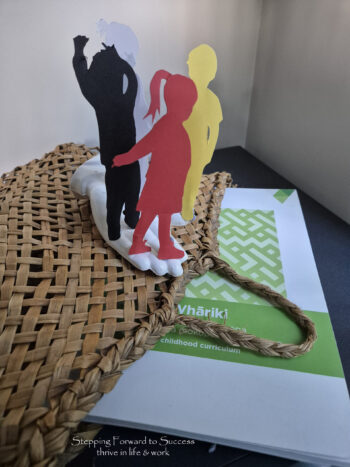
As you well know, Te Whāriki provides a holistic framework that supports the learning and development of tamariki from their first learning moments to when they begin school. Central to the curriculum are four guiding principles and five strands. These are cleverly woven together to create a rich tapestry of learning experiences. Te Whāriki’s principles

Weaving The Principles of Te Whāriki Into Everyday Practice Read More »