
Communication is at the heart of how tamariki make sense of the world. It also allows them to connect with others around them in a variety of settings.
So, it’s no wonder that the fourth strand of Te Whāriki is Mana Reo which emphasises the importance of language, symbols, and expression.
It is through communication that tamariki share their ideas, develop relationships and begin to understand the perspective of others. Communication comes in many forms – spoken, signed, written, visual and non-verbal are all ways tamariki can communicate.
By nurturing opportunities for communication, we give tamariki the tools to express themselves confidently, strengthen their identity and engage meaningfully with their learning and communities.
One of the most important forms of communication is reciprocal communication. Let’s explore this concept in greater detail.
What Does Reciprocal Communication Look Like in ECE?
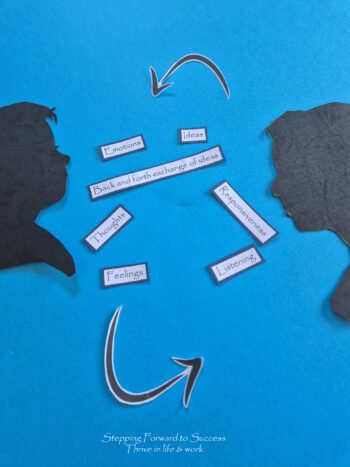
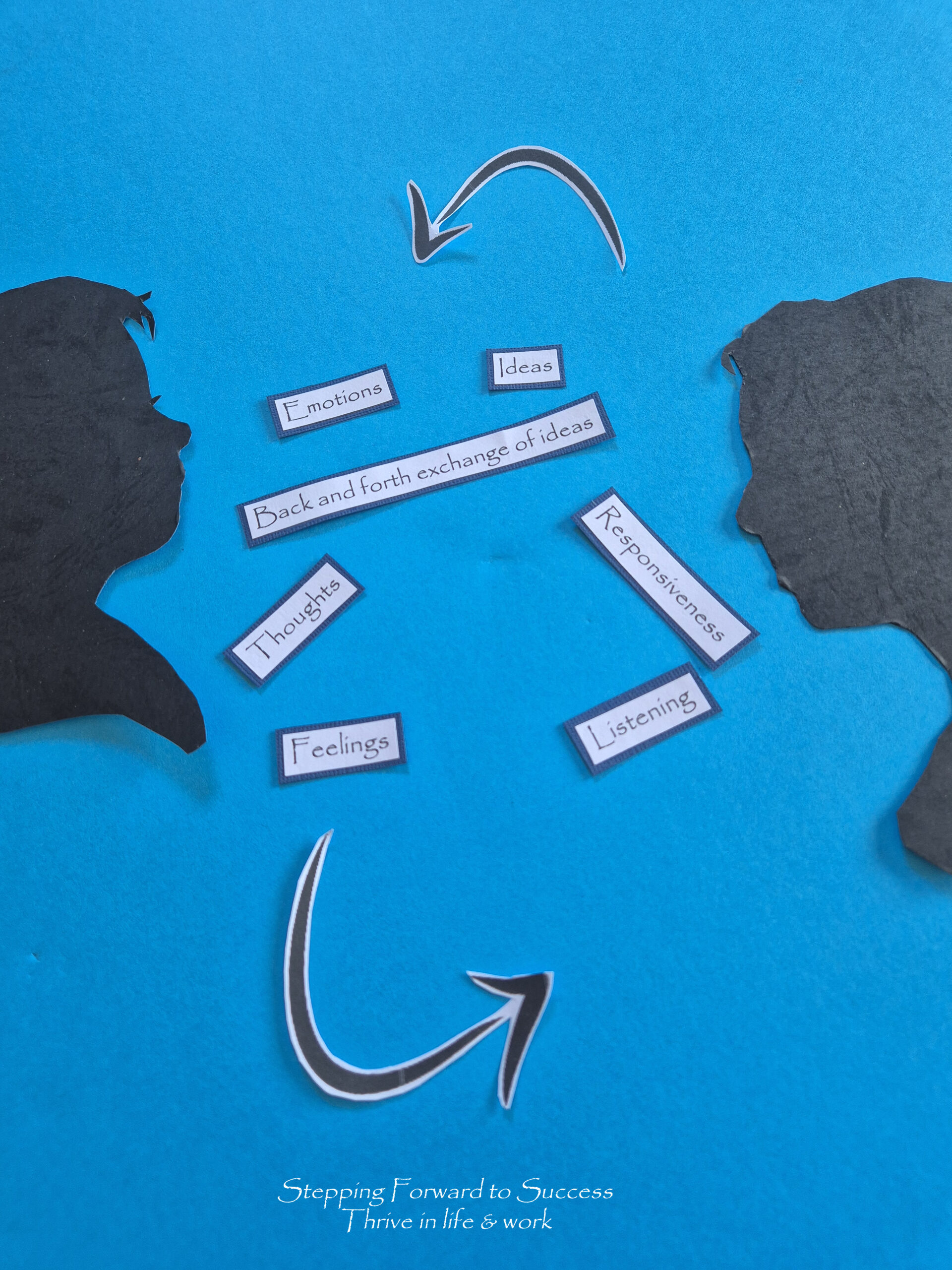
Reciprocal communication is at the heart of quality early childhood education. It is the back-and-forth exchange of ideas, thoughts, and feelings between teachers and tamariki that builds relationships, fosters a sense of belonging, and sets the stage for future learning success.
It involves active listening, responsiveness, and your genuine effort to understand and engage with tamariki. As a kaiako, these are some of the key aspects that can support tamariki learning:
- Be present and attentive to the children’s verbal and non-verbal cues.
- Use open-ended questions designed to spark curiosity and conversation.
- Respond to tamariki ideas and interests with enthusiasm, this will help to validate their contributions and encourage them to share more.
- Create opportunities for tamariki to have group discussions, one-on-one chats, and collaborative play. These are all scenarios where communication will naturally unfold.
While communication is a complex topic, these principles can be adopted in the simplest ways. For example, if a child is building a tower, instead of simply saying, “That’s a big tower,” you might ask, “Why do you think your tower is standing up so tall? What could make it even stronger?”
This invites the tamaiti to think critically and express their ideas. By asking these kinds of questions in a learning environment, it can have a really positive effect on fostering confidence and a deeper understanding of their learning.
Laying The Foundation For Math And Literacy
Math and literacy are key skills that our tamariki will need to develop. While they won’t be calculating complex equations or reading novels at an ECE level, it’s the ideal environment for building a foundation for learning in these critical areas.
The seemingly simple act of engaging in reciprocal communication has a profound impact on children’s future educational outcomes. Research shows that early conversations help children develop the language, listening, and critical thinking skills they need for literacy and numeracy.
For instance:
- Math: Conversations about shapes, patterns, quantities, and problem-solving during play can help to provide the foundation for mathematical thinking.
- Literacy: Engaging with tamariki about their thoughts and ideas builds their vocabulary and comprehension, which are key elements of reading and writing success.
The powerful thing about reciprocal communication is that it doesn’t just focus on the here and now (though it certainly helps in the present moment!). It also helps tamariki develop the skills and confidence that will support their learning journeys well into their later schooling years.
Children Should Be Seen, Heard, And Valued
Reciprocal communication is also about creating a space where tamariki feel heard and respected. Every child has their own unique voice, and it’s important for us, as teachers, to create an environment where tamariki feel safe to express themselves.
This will not be a foreign concept to you as it aligns closely with the principles of Te Whāriki, particularly under the strands of Communication (Mana Reo) and Belonging (Mana Whenua):
- Mana Reo: Teachers support tamariki in developing communication skills by engaging in rich, meaningful dialogue, using verbal and non-verbal communication methods to encourage interaction.
- Mana Whenua: Reciprocal communication fosters a sense of belonging, as tamariki feel their perspectives and contributions are valued by their peers and teachers.
Through intentional communication, you can help tamariki develop these valuable skills. Of course, it helps with their overall learning and development. But it also helps in more nuanced areas like developing a tamaiti’s ability to express an idea, collaborate with their peers, or extend their own thinking through conversation.
Navigating Reciprocal Communication
When you are in your provisional teaching stage, understanding and applying the principles of reciprocal communication can sometimes feel daunting, especially when balancing the needs of teaching in a busy Centre. This is where the guidance of an experienced mentor can make a significant difference.
You can lean on your mentor to help in these areas:
- Reflect on your interactions with the tamariki and identify any opportunities to enhance communication.
- Develop strategies for engaging shy or non-verbal tamariki in communication exchanges.
- Use the strands and goals of Te Whāriki to guide how you handle communication when developing your teaching practices.
- Analyse instances of reciprocal communication in your daily work to understand its impact on tamariki learning outcomes.
Discussing the individual interactions you have had with your Centre-assigned mentor can be really powerful as they will understand each of the tamariki you are interacting with. You can also benefit from a more holistic approach to reciprocal communication by utilising the support of an external mentor. They are particularly adept at equipping you with communication strategies that you can utilise throughout your teaching career.
For example, if you are feeling unsure about how to draw out a quiet tamaiti’s ideas, a mentor might suggest specific prompts, strategies, or activities that you can tailor to their interests.
More Than A Casual Conversation
In ECE, reciprocal communication is far more than casual conversation. It is a powerful tool that nurtures relationships, builds confidence, and lays the foundation for lifelong learning.
By fostering meaningful exchanges with the tamariki, you can help them develop essential communication skills and prepare them for success in key learning areas like literacy and math.
It’s not a practice you have to navigate alone, though. As an experienced ECE mentor, I can play a vital role in helping you embrace the practice of reciprocal communication, empowering you to foster environments where children feel seen, heard, and valued.
With the guidance of Te Whāriki and mentorship, reciprocal communication becomes a shared journey of discovery, learning, and growth for both teachers and tamariki. Let’s chat about this powerful concept and how I can support you through including it in your teaching practices. Reach out to me today.
The great thing about mentorship is that you can layer the support you receive by having both a centre assigned mentor and an external mentor. Learn more about the Kete Ako programme here: Kete Ako programme.
I also have resources that can be added to your toolkit. Click here to read more about the Roadmap. Or click here to purchase the Roadmap to Certification e-book for Provisional Certified Teachers. Alternatively, if you are wanting to learn more about my packages, reach out today.
Useful links:
My Website