
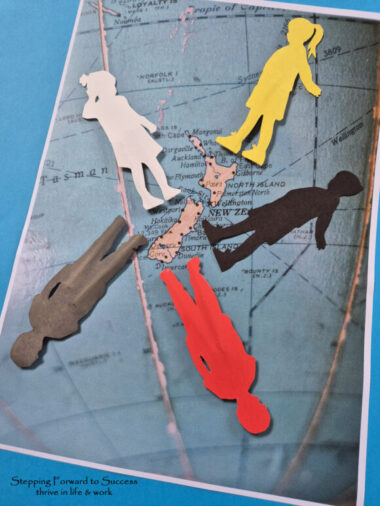
“Children and their families feel a sense of belonging when they are welcomed and able to participate fully in the services of the early childhood setting.” — Te Whāriki, 2017
In Aotearoa’s ECE Centres, belonging isn’t just a warm and fuzzy ideal.
It’s the foundation of healthy development.
Without a definite sense of belonging, tamariki may struggle to engage with others, build relationships and feel safe enough to learn.
That’s why Te Whāriki recognises Mana Whenua | Belonging as the second key strand in the curriculum.
In this article, we are going to unpack what Mana Whenua looks like in practice, how we can nurture a feeling of belonging in the tamariki, and why it is vital to create learning environments where tamariki feel grounded, confident and connected. supported every day.
What Does Belonging Look Like In ECE?
Belonging is not just feeling comfortable in a space, though that is certainly part of it! Belonging is about more. It is ensuring the tamariki feel like they are part of something bigger than themselves.
It is when they know they are in a space that values and respects them. They see their culture reflected in the environment, hear their names pronounced with care, and know they are safe and valued for exactly who they are.
You can see Mana Whenua in action when:
- Tamariki move confidently around the centre and know what to expect from their day.
- Whānau feel welcomed, respected, and included in the life of the centre.
- Teachers recognise and celebrate each child’s culture, language, and identity.
- Children are supported to contribute meaningfully to the routines, rituals, and rhythm of the day.
When tamariki feel like they belong, they are more likely to explore, take risks, and form strong social connections. And these things are all essential for learning and development.
Practical Ways To Weave Mana Whenua Into Your Teaching Practice
Helping the tamariki build a sense of belonging requires you to be intentional and consistent in your teaching practices. Here are some ways you can weave Mana Whenua into your everyday routines:
- Establish Routines
Tamariki feel more secure when they know what to expect and what is coming next in their day. If you can establish clear, daily rhythms and consistent routines, it will help the tamariki to feel more grounded and confident.
- Embrace Culture
When things are familiar, it is easier to feel comfortable and relaxed. Creating physical environments that reflect the cultural backgrounds of the tamariki creates this sense of familiarity and belonging. You might include books in home languages, waiata from different cultures, or displays of whānau photos.
- Journey Through Learning Together
Developing authentic partnerships with whānau is key to fostering belonging. Invite them into the learning journey of the tamariki by weaving family values, routines and aspirations throughout the learning experiences at your centre.
- Celebrate Identity
Every tamariki has their own personality and identity, encouraging this to shine through builds confidence and a sense of belonging. Making time for tamariki to share parts of their identity creates moments that tell them, “You belong here”. This can be done by allowing them to talk and tell you their stories, sharing a favourite song from home, or sharing something special about their family.
Strategies For Fostering Belonging
These are some practical strategies for how you can support Mana Whenua in your centre:
- Whānau Wall: Invite families to share photos or artwork that represent their home life. Use these elements to create a wall that tamariki can look at every day.
- Welcome Rituals: Create a personalised and consistent way of welcoming each child when they arrive at your centre every morning.
- Celebrate Culture Together: Celebrate cultural festivals from your community and include tamariki in the planning, cooking, decorating and storytelling.
- Shared Decision Making: Let tamariki take the lead where appropriate. They could choose activities or help set up spaces. Giving them agency fosters ownership and pride in their environment.
- Incorporate Language: Use greetings, phrases, and songs in children’s home languages, especially during transitions, mealtimes, and group time.
Supporting Mana Whenua In Your Teaching
Helping tamariki foster a sense of belonging is so vital, but it can be hard to find the time to reflect on how you are embedding Mana Whenua in your practice.
That’s where working with a Mentor can make a powerful difference. A mentor can support you to:
- Reflect on how your routines, relationships and learning environments are promoting a sense of belonging.
- Identify any barriers to tamariki feeling included and brainstorm strategies to better connect with tamariki and their whānau.
- Incorporate culturally responsive practices in a way that feels authentic and achievable.
- Recognise challenging transitions, such as when tamariki first come into the centre or during farewells, and provide support in creating rituals to navigate these potentially unsettled times.
- Align your practices with Te Whāriki and strengthen your learning stories and planning documentation.
Working with a mentor like me gives you the space to explore what your own values are around belonging and how they might shape your teaching decisions. By having a clear understanding, you can better support each tamaiti to feel seen, safe and valued.
Belonging Is The Bridge To Learning
It’s a powerful thing to feel like you belong. It gives you the freedom to be curious, expressive and confident. And when a tamaiti feels all those things, they are more likely to participate fully in learning experiences, interact with other tamariki and persevere through problems or challenges.
Belonging creates a foundation for all the things that follow in the learning journey. So, as you head into each day, consider these three questions:
- How am I helping the tamariki feel like this centre is their place?
- Are my routines and environments supporting tamariki (and their whānau) to feel included?
- How can I reflect and grow as a teacher in this space, and do I need someone to support me?
If you’d like support embedding Mana Whenua into your everyday teaching, I’d love to connect.
Let’s work together to ensure every tamaiti knows they have a place. That sense of belonging can shape their confidence for a lifetime.
The great thing about mentorship is that you can layer the support you receive by having both a centre assigned mentor and an external mentor. Learn more about the Kete Ako programme here: Kete Ako programme.
I also have resources that can be added to your toolkit. Click here to read more about the Roadmap. Or click here to purchase the Roadmap to Certification e-book for Provisional Certified Teachers. Alternatively, if you are wanting to learn more about my packages, reach out today.
Useful links:
My Website