
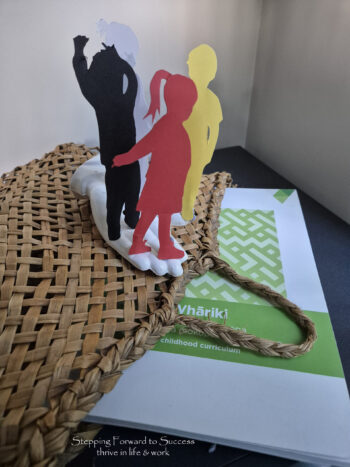
Last month, we explored the concept of how important reciprocal communication is in early learning.
It forms the foundation for strong relationships, gives the tamariki a sense of belonging, and plays a crucial role in their cognitive, social and emotional development.
By fostering meaningful exchanges, we can help the tamariki develop critical thinking, creativity and confidence. All these aspects can help contribute towards better learning outcomes.
Te Whāriki emphasises the importance of communication and how language, interaction and shared experiences help shape a child’s development.
But how can we ensure that reciprocal communication is embedded in our teaching practices?
Let’s explore how we can use this powerful tool to enhance learning experiences and outcomes for tamariki.
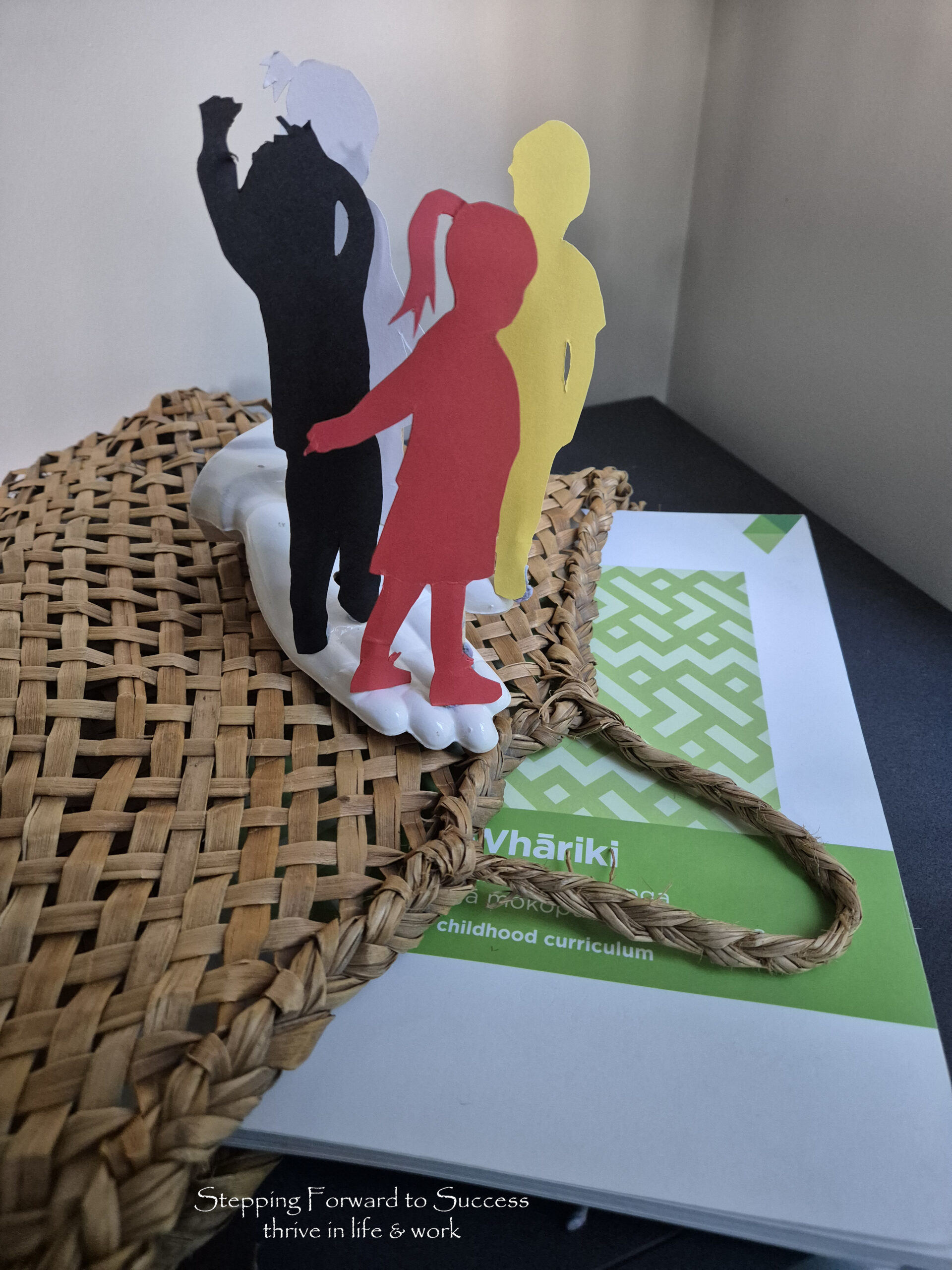
Learning Outcomes in Te Whāriki in ECE?
As we know, Te Whāriki highlights communication as an essential component of a child’s early learning journey. Explored deeply in the Communication strand, Mana Reo, Te Whāriki emphasises the importance of creating meaningful exchanges with tamariki. Both verbal and non-verbal exchanges are integral in developing key skills like language, comprehension and expressive abilities.
Being able to build these skills now will be incredibly influential on the success a child will have in literacy and social interactions in later years. So, how can you help foster these exchanges and support tamariki to develop these skills?
Page 45 of Te Whāriki contains some helpful reflective questions that can be a constant guide in evaluating and improving your communication practices. They are:
- How do we encourage tamariki to express their thoughts, feelings, and ideas?
- Are we responding in ways that extend their thinking and conversations?
- Do we create an environment where tamariki feel comfortable initiating and leading discussions?
These questions are not the only ones you should be thinking about, but they are a useful starting point. They help you assess whether your communication approach is genuinely reciprocal and if it might be sparking deeper learning.
Practical Examples of Reciprocal Communication in Action
To foster reciprocal communication, it is vital that you create an environment that encourages curiosity, creativity, and engagement. But that environment won’t just happen because you want it to. You need to actively take steps to facilitate it.
Here are two effective ways you can create an environment for reciprocal communication:
- Story Baskets
Storytelling is a powerful way to ignite curiosity and imagination in people of all ages, but it is particularly effective in ECE as it’s a familiar form of communication for little minds. That’s why Story Baskets are an effective way to encourage reciprocal communication.
By filling a basket with carefully chosen objects, you can spark discussion and encourage the tamariki to develop their own narratives. A story basket might include:
- A bunch of different toy animals (like a Zoo)
- A figure, a house and a fabric river to inspire a story about a journey
- Natural materials like shells, stones and leaves which encourage sensory exploration and descriptive language
- Play food items to encourage exploration of all the senses
- Different blocks and materials to work on creativity and imagination
While the basket will facilitate the start of the story, it cannot stand alone! You can initiate and encourage the story by asking leading questions. These might be things like ‘who do you think lives in this house?’, ‘what happens if the animals mix together?’, or ‘what does this shell make you think of?’ This encourages the tamariki to think critically and express their ideas, leading to rich discussions and collaborative storytelling.
- Loose Parts
Pieces of fabric, buttons, cardboard, and blocks are all what would be described as “loose parts”. To the untrained eye, they might look like junk. As an ECE teacher, you will see open-ended materials that can be used to support imaginative play!
By introducing the seemingly random objects, you can invite the tamariki to build their own narratives with them. This allows them to experiment with communication and problem-solving.
For example, if the child is organising things in a certain way, you might choose to ask ‘I see you’ve created a circle with the blocks, tell me about your ideas?’ These kinds of questions invite the tamariki to think more deeply about their actions. It can extend their learning and also help them to articulate their thoughts. Before you know it, they are building key competencies and skills right before your eyes!
Nurturing Social and Emotional Development Through Communication
Reciprocal communication helps to develop more than just academic skills. It is also a powerful tool in developing social and emotional skills. When you engage in meaningful conversations with the tamariki, you help them to:
- Recognise and express their emotions
- Learn to listen, take turns and respect different perspectives
- Build relationships with their peers through group discussions
You can help their exchanges be rich and meaningful by modelling good communication. For example, if a child is feeling upset, the automatic response would be to say ‘Don’t be sad’. But, if you ask ‘What happened to make you feel this way?’ you help the child recognise their emotions and potentially even some triggers.
You can take the conversation to an even deeper level with a follow-up question like, ‘What can we do to help you feel better?’ Not only are you validating their emotions, but you are also promoting emotional intelligence.
Enhancing Your Teaching Practices
Understanding and implementing reciprocal communication can feel overwhelming, especially for new or provisional teachers. This is where mentorship can be invaluable for you. A mentor can help:
- Reflect on daily interactions and identify opportunities for deeper engagement.
- Develop personalised strategies to encourage communication in tamariki with different personalities and learning styles.
- Use Te Whāriki as a framework to guide reciprocal communication practices.
- Analyse how reciprocal interactions impact tamariki’s learning and development.
A mentor like myself can offer both practical support and reflective guidance, helping you refine your approach and confidently embed reciprocal communication into your daily practice.
Reciprocal Communication As A Pathway To Lifelong Learning
Through reciprocal communication and meaningful interactions, you can help tamariki develop language skills, confidence, emotional awareness, and problem-solving abilities that will support them throughout their lives.
By using strategies like story baskets, loose parts play, and open-ended questioning, you can help create rich learning experiences that encourage curiosity and expression. And, with the guidance of a mentor, you can really refine your approach to ensure that every interaction is meaningful, engaging, and developmentally beneficial.
Would you like to explore more ways to enhance reciprocal communication in your teaching practice? Let’s connect and discuss how mentorship can support your professional growth. Reach out to me today!
The great thing about mentorship is that you can layer the support you receive by having both a centre assigned mentor and an external mentor. Learn more about the Kete Ako programme here: Kete Ako programme.
I also have resources that can be added to your toolkit. Click here to read more about the Roadmap. Or click here to purchase the Roadmap to Certification e-book for Provisional Certified Teachers. Alternatively, if you are wanting to learn more about my packages, reach out today.
Useful links:
My Website