
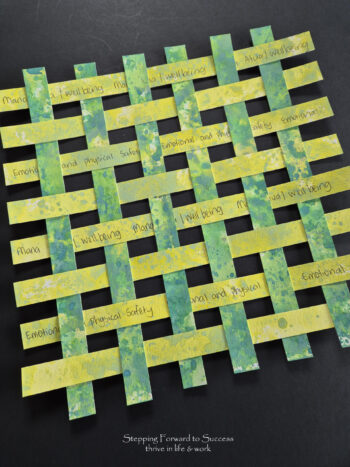
“When children’s wellbeing is protected and promoted, they feel secure and confident to explore, connect, and grow.”
- Te Whāriki, 2017
In early childhood education, wellbeing is the foundation of everything. Without it, tamariki cannot learn, engage or thrive.
That’s why Te Whāriki prioritises Mana Atua | Wellbeing as the very first strand.
It recognises that the emotional and physical health of tamariki is essential for their learning journey and effective development throughout it.
In the coming months, we will be exploring the individual strands of Te Whāriki, starting with this key foundation point.
Join us as we unpack the practical meaning of wellbeing in an ECE setting and how we can all create an environment where tamariki feel safe, valued and supported every day.
What Does Wellbeing Look Like In ECE?
Mana Atua refers to the physical and emotional health of the tamariki at your Centre. It incorporates many aspects like how the tamariki feel, how well their physical needs are met and how supported they are in managing their emotions.
Mana Atua is visible in your Centre when:
- Tamariki feel physically safe and emotionally secure
- There is consistent, calm and nurturing care
- Teachers respond to the cues and emotions of the tamariki with care and understanding
- Children are supported to build emotional awareness and develop strategies for managing big feelings
- Routines like eating, toileting, rest and movement shouldn’t be rushed and honoured and handled with sensitivity
Right there in the name, Mana Atua is deeply intertwined with the concept of mana. When tamariki feel safe and well, their sense of identity and confidence can flourish.
Incorporating Wellbeing Into Your Teaching Practice
Supporting good wellbeing doesn’t have to involve big, overt actions. Often, it’s the small, consistent acts throughout the day that have the most impact.
These are some ways you can ensure Mana Atua is always a part of your practice:
1: Create A Calm, Consistent Environment
- By using clear routines and consistent transitions, tamariki will feel safe and confident as they know what to expect.
- Help tamariki feel prepared for change with familiar songs, cues, photos or visual aids
2: Tune Into Emotions
- Tamariki should feel safe to express their emotions and feelings. Support them to recognise what they are feeling so they gain a greater understanding and build emotional awareness.
- Acknowledge and name emotions as they arise, such as “I see you are feeling sad, would you like a hug or some space right now?”
3: Prioritise Nurturing Relationships
- Slow down and ensure you spend time connecting with the tamariki individually each day.
- Be prompt and responsive to the needs of the tamariki, respond warmly when they need you.
4: Honour Their Physical Needs
- Give the tamariki plenty of opportunities for movement and fresh air, but don’t forget to balance it with quiet time also.
- Be flexible and respectful during mealtimes, nappy changes, naps and toileting.
5: Learning Outcomes
- When tamariki feel emotionally and physically safe, they are better able to engage, explore, and develop key competencies. Reflect on how your approach to wellbeing directly influences tamariki’s learning.
- Remember that every whānau will hold individual aspirations for their tamariki, be mindful of supporting these in your daily interactions.
Wellbeing Strategies For Every Day
Wellbeing doesn’t have to be something you specifically focus on or peddle out once a week. It can be purposefully planned into your daily rhythm.
These are just some practical ideas for activities that foster wellbeing:
Breathing and Mindfulness
- Conscious breathing can be very calming and grounding. Coaching the tamariki through a few deep breaths can help to regulate emotions and keep calm in the Centre.
- Deep or Bubble breathing can be a great way to encourage mindfulness and being present in the moment, helping tamariki transition through activities and develop emotional awareness.
Emotional Check-Ins
- It can be hard for tamariki to describe their emotions in words, so visual emotion charts can be a great way for them to communicate how they are feeling.
- You may even choose to start morning mat time with an emotional check-in to encourage awareness of feelings and give you a gauge on how the day might proceed.
Restorative Conversations
- Conflict with their peers will be a common part of life for tamariki at your Centre. You can help them restore their wellbeing with a few guiding questions like:
- What happened?
- How did you feel?
- What do you need now?
- What could you do next time?
Wellbeing Spaces
- Create a quiet and comforting space that can be designated as a Calm Corner. This should be a comforting and welcoming place with sensory items and emotional resources.
- Encourage the tamariki to use the Calm Corner when they need time to reset or regulate.
Mana Atua And Mentorship
As a teacher, it can feel like there is a lot to manage in a week! Not only is there the primary focus of care for the tamariki, but you are juggling all the behind-the-scenes stuff like planning, routines, parent relationships, inquiries, and weaving the strands of Te Whāriki into everything you do.
That’s where the support of an external mentor becomes invaluable.
Partnering with a mentor gives you the space and support to:
- Reflect on how your environment and practices are supporting tamariki’s wellbeing.
- Receive guidance on how you can be emotionally responsive.
- Unpack difficult moments or patterns of behaviour in a supportive space.
- Explore ways to align your routines with the values of Mana Atua.
- Build your confidence in meeting the physical, emotional and developmental needs of each tamaiti.
Together, we can work to weave Mana Atua into the heart of your practice. This can include everything from the language you use and the environment you create, to the way you connect with tamariki and their whānau.
Centering Mana Atua In Teaching
When we centre Mana Atua in our teaching, it shows that wellbeing is not optional, it is essential. A child who feels safe, respected, and well-supported has the strongest foundation for curiosity, connection, and learning.
So, ask yourself:
- How am I prioritising wellbeing in my space?
- How do my daily actions show tamariki that they are safe, seen, and valued?
If you’re ready to explore those questions more deeply with the support of a mentor, I’d love to hear from you. Let’s work together to embed wellbeing into every part of your practice.
The great thing about mentorship is that you can layer the support you receive by having both a Centre assigned mentor and an external mentor. Learn more about the Kete Ako programme here: Kete Ako programme.
I also have resources that can be added to your toolkit. Click here to read more about the Roadmap. Or click here to purchase the Roadmap to Certification e-book for Provisional Certified Teachers. Alternatively, if you are wanting to learn more about my packages, reach out today.
Useful links:
My Website