As we continue to explore the shift to the 2026 Teaching Standards, it is really apparent that the changes not only affect what we do.
They are also about how we understand ourselves as kaiako.
In this article, we are turning our attention to one of the three key domains.
Professional Knowledge – I know.
Not only is this focus centered on what you actually know and the professional knowledge you hold as a teacher. But it is also about how you can continue to grow your knowledge in a meaningful way.
Let’s look at that very concept in a little more detail…
Moving Beyond What You Know
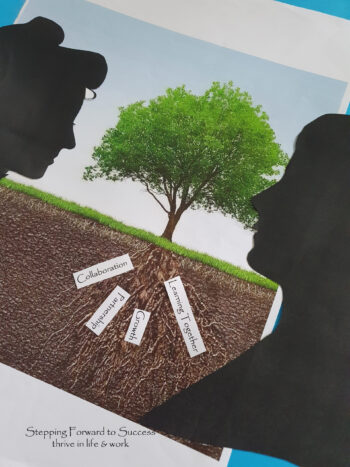
In days gone by, professional knowledge was thought of as something we acquired. Usually through traditional methods like study, readings, professional development, and experience.
These methods are still important, of course. However, the 2026 Teaching Standards invite us to shift our thinking about professional knowledge.
It is no longer simply about what you know. It’s far more than that.
It is about:
- how you understand your knowledge
- how it influences your teaching decisions
- how you continue to ask questions and grow it over time
Professional knowledge is something that is active, reflective, and evolving.
Knowing Where You Are On Your Teaching Journey
One of the most powerful starting points for building your professional knowledge is knowing where you are right now. This can feel like a simple question to ask. But, to know where you truly are requires honest reflection.
You might ask yourself:
- What do I feel confident in within my practice?
- Where do I notice uncertainty or hesitation?
- Do any areas of my teaching feel automatic, and why?
- Where do I want to grow my understanding?
These questions are not about identifying weaknesses in your teaching. They are about creating clarity around any gaps or habits.
Basically, when you know where you are, you can make intentional decisions about where to go next.
From Knowing To Growing
Teaching has always been about passing knowledge onto our tamariki. To do that, we must have strong professional knowledge. A key shift in the 2026 Teaching Standards is how we look at knowing. Knowing is not an endpoint; instead, knowing is part of an ongoing journey.
There is no expectation that kaiako know everything.
However, there is an expectation that kaiako remain curious. What does that mean in a professional sense? Well, kaiako should engage in ongoing learning, reflect regularly on their practice, and continue to seek out new perspectives.
There is no cap on the amount of professional knowledge you can gain. By seeking to deepen your understanding, it builds a culture where growth is continuous and supported.
The Value Of Slowing Down
In ECE, the days are busy and the weeks are packed full! It can be really easy to move quickly between tasks, activities and responsibilities.
Building professional knowledge often requires you to do something a bit different. It requires you to slow down. When you consciously slow yourself and take the time to reflect, you can discover some really important things.
You begin to notice:
- What is happening in your practice
- How you are responding to situations
- What you are thinking and feeling
- The things you are curious about
Slowing down creates a space for intentional reflection. This is a powerful way to form deeper knowledge about all areas of teaching.
The Question Is…
Alright, so we are now looking at knowing in the right light, and we are taking the time to be intentional and conscious in our daily practice. How do we build that professional knowledge further?
Well the key is to ask questions, just like those curious little tamariki do every day!
The 2026 Teaching Standards place a strong emphasis on inquiry and reflection. They want you to recognise that professional knowledge is not only something you receive passively. It is something you can actively build through questioning.
Some powerful reflective questions could be:
Deepening Understanding:
- What is influencing my thinking in this area?
- What perspectives are shaping my knowledge?
- Am I aligned with Te Tiriti o Waitangi and culturally responsive practice?
Challenging Habits:
- Am I making assumptions or holding onto habits in certain situations?
- How might my experiences be shaping my perspective?
- What might I need to change or develop?
My Teaching Practice:
- How is my professional knowledge showing up in my teaching?
- What impact is it having on the tamariki?
- What could I do differently or more effectively?
By asking yourself these kinds of questions, you can help to move your knowledge from something that is theoretical into something that is lived and meaningful.
A Shared Journey Of Growth
Professional knowledge is not something we achieve and then move on from. It is something we continue to build throughout our entire teaching career. The 2026 Teaching Standards remind us that knowing is not about having all the answers.
It is about being open to learning, willing to reflect, and committed to personal growth. When we engage with professional knowledge in this way, it not only strengthens our individual practice, but also the learning experiences of the tamariki.
You don’t need to have everything figured out right now, you just need a starting point. That starting point rests with these two questions:
- Where am I on my teaching journey right now?
- What questions can I be asking to help me grow my knowledge further?
From here, growth becomes possible. Especially with the support of an experienced ECE mentor. If you would like support unpacking your professional knowledge, identifying meaningful inquiry areas, or navigating the Teaching Standards with confidence, I would love to work alongside you.
Together, we can ensure your learning is understood and embedded meaningfully in your everyday practice. Let’s arrange a time to chat!
The great thing about mentorship is that you can layer the support you receive by having both a centre assigned mentor and an external mentor. Learn more about the Kete Ako programme here: Kete Ako programme.
I also have resources that can be added to your toolkit. Click here to read more about the Roadmap. Or click here to purchase the Roadmap to Certification e-book for Provisional Certified Teachers. Alternatively, if you are wanting to learn more about my packages, reach out today.
Useful links:
My Website