
The 2026 Teaching Standards centre around three key domains:
Professional Knowledge – I know
Professional Practice – I do
Professional Engagement – I engage
While each of these domains has its own focus, there is one powerful thread that connects them all.
Reflection.
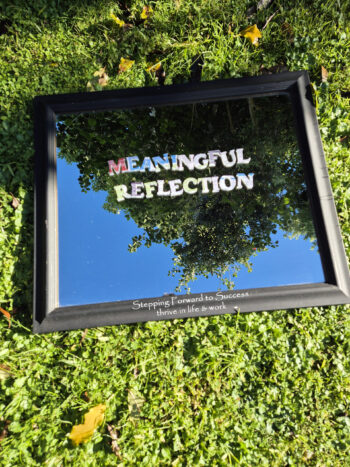
In fact, meaningful reflection might be one of the most important skills you can develop as a kaiako. Through reflection, your knowledge deepens, your practice improves, and your relationships strengthen.
Reflection helps us move beyond simply doing the work and towards understanding why we do what we do.
The 2026 Teaching Standards recognise that effective teaching is not static. It is responsive, evolving, and deeply connected to ongoing learning. Reflection is what allows that growth to happen.
Let’s explore why meaningful reflection matters and how you can make it a valuable part of your teaching journey.
Reflection Is More Than Just Looking Back
When many people think about reflection, they think about reviewing something that has already happened. While this is certainly part of the process, meaningful reflection goes much deeper.
True reflection is not simply asking:
“What happened?”
It is contemplating:
“Why did it happen?”
“What influenced my response?”
“What impact did my actions have?”
“What might I do differently next time?”
Reflection helps us make sense of our experiences. It creates opportunities to identify strengths, uncover assumptions, challenge habits, and recognise areas for growth.
Most importantly, reflection turns everyday experiences into professional learning opportunities.
Reflection And The Three Key Domains
Professional Knowledge
Reflection plays a critical role in how you continue to grow your understanding as a kaiako. It allows you to consider things like:
- What knowledge am I drawing on in my practice?
- Where did this knowledge come from?
- What perspectives are shaping my thinking?
- What gaps in my understanding might I need to explore further?
Reflection does two valuable things – it reveals areas where you feel confident, and it highlights opportunities for growth. Reflection teaches us that we don’t need to know everything. Instead, it encourages us to remain curious and committed to continuous learning.
Professional Practice
Professional Practice is where your knowledge becomes visible. All of your interactions, decisions, and responses are your knowledge coming to life in practice. Reflection is what helps you examine these moments more intentionally. You might ask yourself:
- Why did I respond in that way?
- What learning opportunities have I noticed?
- Did my actions support the learning and wellbeing of the tamariki?
- What could I do differently next time?
Not only are you reflecting with these questions, but you will also be strengthening the connection between what you know and what you do. That’s why reflective practice is such a powerful tool for improving learning outcomes and creating richer learning experiences for the tamariki.
Professional Engagement
Teaching is built on relationships. Every day we engage with tamariki, whānau, colleagues, leaders, and our wider communities. Reflection helps us consider the quality of those relationships. For example:
- How am I building trust with whānau?
- How do I contribute to my teaching team?
- Am I listening to understand or simply to respond?
- How do my words and actions impact others?
These reflections encourage us to remain open, respectful, and connected. They also remind us that professional growth often happens through relationships and collaboration with others.
Te Tiriti O Waitangi Partnership
Meaningful reflection also ensures you are honouring Te Tiriti o Waitangi throughout your everyday practice. As kaiako, Te Tiriti is evident in the decisions we make, the relationships we build, and the learning environments we create.
Reflection provides an opportunity to consider deeper questions in your practice, like:
- How am I honouring Te Tiriti o Waitangi through my teaching?
- In what ways are te ao Māori, te reo Māori, and tikanga woven into everyday learning?
- Am I creating genuine partnerships with centre whānau?
- How do my own beliefs and experiences influence my teaching and relationship building?
As we grow our understanding through meaningful reflection, we are able to create learning environments where every tamaiti, whānau and culture is genuinely valued and respected. After all, that is what a true Te Tiriti o Waitangi partnership looks like.
Creating Space For Meaningful Reflection
One of the biggest challenges as an ECE kaiako is finding the time to reflect. With so much going on, the days are so busy. But meaningful reflection cannot happen when you are rushing from one thing to the next. Sometimes, the most powerful thing we can do is slow down.
Even a few minutes of intentional reflection can provide valuable insight into your practice. Not all reflection needs to be done at the end of the day with a journal in hand. You might choose to:
- Reflect after a significant teaching moment
- Discuss an experience with a trusted colleague
- Keep reflective notes as things happen in the day
- Review learning stories with a reflective lens
- Discuss your day with a mentor
Reflection does not need to be complicated. It’s just about creating opportunities to think deeply about your experiences and what they are teaching you.
Digging Below The Surface
Simply observing whether an activity went well or if the tamariki enjoyed an experience is not going to tell you much. Meaningful reflection digs a little deeper to ask questions like,
“Why did it work well?”
“What learning was taking place?”
“How did my teaching contribute to the outcome?”
“What evidence supports my thinking?”
Meaningful reflection encourages us to move beyond describing events and towards analysing their impact. The deeper we go with our reflection, the greater the opportunity will be for growth and development.
Reflection Is About Growth
One of the biggest misconceptions about reflection is that you use it to find mistakes. But that’s not what it is about at all. Reflection is not about finding faults; it is about finding opportunities to grow.
Teaching is an ongoing journey of learning and development. Reflection is what helps us stay connected to that journey.
Meaningful reflection is not just another task to add to your workload. When reflection becomes part of your everyday practice, it strengthens your Professional Knowledge, enhances your Professional Practice, and deepens your Professional Engagement.
Most importantly, it helps ensure that your teaching continues to evolve in ways that benefit both you and the tamariki in your care.
Reflecting With Your Mentor
While self-reflection is always valuable, you can take your growth to the next level when reflection is shared. By reflecting with a mentor, you can:
- Explore your thinking more deeply
- Discuss questions you may not have considered
- Identify strengths and growth opportunities
- Connect your experiences to the Teaching Standards and Te Tiriti o Waitangi
- Build confidence in your professional journey
When you reflect alone, it is easy to stay within your existing perspectives. However, a mentor will provide a supportive sounding board to help expand your thinking and uncover new possibilities.
If you’d like to work within a space that is safe for honest conversations about your teaching, inquiries, and professional growth, then I’d love to be the one who provides it. As an experienced ECE Mentor, I can help you supercharge your reflection.
Let’s chat to see if we’d be a good fit to work together! Contact me now.
The great thing about mentorship is that you can layer the support you receive by having both a centre assigned mentor and an external mentor. Learn more about the Kete Ako programme here: Kete Ako programme.
I also have resources that can be added to your toolkit. Click here to read more about the Roadmap. Or click here to purchase the Roadmap to Certification e-book for Provisional Certified Teachers. Alternatively, if you are wanting to learn more about my packages, reach out today.
Useful links:
My Website